
Leg Ulcers in Sickle Cell Disease: Causes, Symptoms, and Treatment
🌍 Introduction
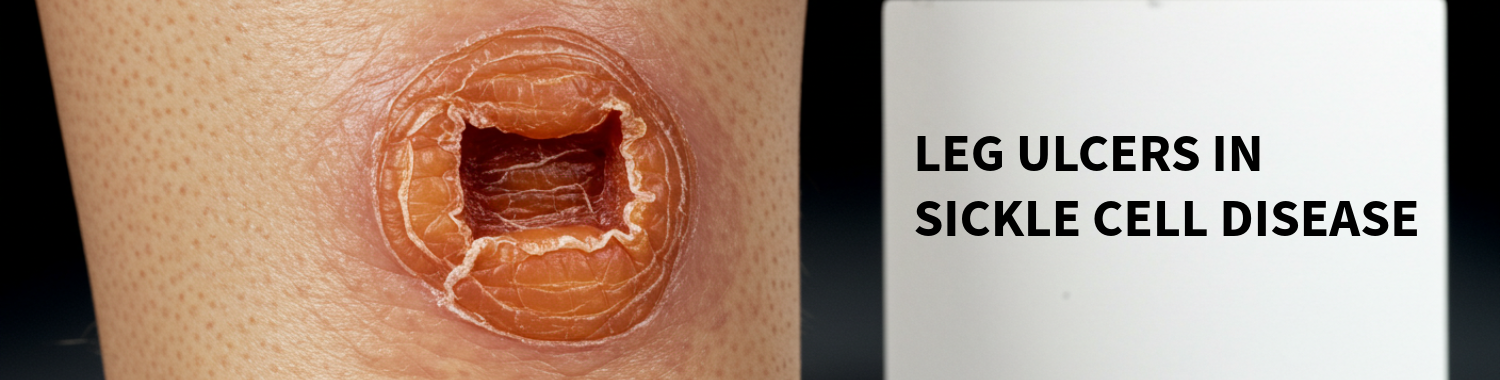
Leg ulcers are one of the most painful and disabling complications of Sickle Cell Disease (SCD). They are characterized by open sores, typically around the ankles, and can be slow to heal or recur frequently. For many warriors, these ulcers significantly impact quality of life, mobility, and self-confidence.
In fact, even the first SCD patient described in North America in 1910 had chronic leg ulcers. This shows how long this complication has troubled patients. Understanding causes, symptoms, risk factors, and treatment options is key to managing and preventing them.
📊 Prevalence of Sickle Cell Leg Ulcers
Up to 14–18% of patients experience leg ulcers.
In some regions, such as Jamaica, prevalence is as high as 75% among HbSS patients.
In North America, prevalence is lower (8–10%).
They are rare before age 10, more common in males, and increase with age.
📍 Common Locations of Ulcers
Leg ulcers often appear in areas with:
Thin skin
Less subcutaneous fat
Decreased blood flow
Most affected areas include:
Medial malleolus (inner ankle) – most common
Lateral malleolus (outer ankle)
Anterior tibial area
Achilles tendon
Dorsum of the foot
🩺 Appearance & Symptoms
Single or multiple ulcers
Severe pain (sharp, burning, stinging)
Swelling & inflammation
Itching or burning sensation
Possible pus or foul discharge
These symptoms not only cause physical discomfort but also psychological distress, especially when ulcers recur.
⚠️ Risk Factors
While mechanisms are complex, risk factors include:
Male gender
Malnutrition & poor social conditions
Lack of compression therapy
Trauma or repeated leg injuries
Infections & inflammation
Hemolysis (breakdown of red cells)
Nitric oxide deficiency (causing poor vascular function)
🔬 Pathophysiology
SCD causes:
Chronic hemolysis → damaged vessels
Oxidative stress → inflammation
Vaso-occlusive crises → restricted blood flow
Arteriovenous shunting → deprives skin of oxygen
Together, these create the perfect storm for ulcer formation.
📑 Severity Index of Leg Ulcers
Stage 1: Redness of intact skin
Stage 2: Partial-thickness skin loss (blister, abrasion)
Stage 3: Full-thickness skin loss (deep crater)
Stage 4: Extensive tissue, muscle, or bone damage
Chronic ulcers can last months to years, often closing and reopening.
💡 Treatment & Management
Principles of care include:
Pain management
Infection control
Proper wound dressing
Compression therapy
Adequate nutrition & supplements
Surgical interventions in severe cases
🛠️ Practical Tips for Dressing Chronic SCD Leg Ulcers
Use normal saline instead of harsh antiseptics.
Apply therapeutic honey + antimicrobial cream before covering with gauze. 🍯
Wear compression stockings to improve circulation.
Speak healing affirmations 🕊️ over your body.
Take zinc supplements & natural Vitamin C.
Do a wound culture test before using antibiotics.
Always maintain aseptic technique during dressing.
Elevate your leg while sitting or sleeping to aid blood flow.
⚡ Note: Always consult with your hematologist or wound-care specialist before starting treatment.
🌱 Prevention
Protect legs from trauma (use shin guards if needed).
Avoid venipuncture on lower extremities.
Improve nutrition (zinc & folate-rich foods).
Manage venous stasis with lifestyle changes.
Rest legs when possible, avoid standing for long periods.
✅ Call to Action
💖 Don’t ignore the signs — leg ulcers in sickle cell disease need early care and consistent management.
👉 Start your healing journey today by learning, seeking support, and sharing this knowledge with others. Together, we can break the cycle of pain and promote recovery.
❓ FAQ
What causes leg ulcers in sickle cell disease?
Leg ulcers in SCD are caused by poor blood flow, red cell sickling, oxidative stress, infections, and trauma, which impair healing and damage the skin.
Where do sickle cell leg ulcers usually appear?
They are most common around the ankles (medial and lateral malleolus), but can also occur on the shin, foot, or Achilles tendon.
How do you treat leg ulcers in sickle cell patients?
Treatment includes wound dressing with saline and honey, pain management, zinc and vitamin C supplements, compression stockings, and elevation of the leg. In severe cases, surgical interventions may be required.
Can sickle cell ulcers be prevented?
Yes. Prevention strategies include protecting the legs from trauma, avoiding venipuncture on the lower limbs, improving nutrition, and managing venous stasis.

Every sickle cell warrior’s scars tell a story of resilience. Leg ulcers may slow your steps, but with care, courage, and science, healing is always possible.

Healing may be slow, but every small step forward is proof that sickle cell warriors are stronger than their pain.
