
Sickle Cell Disease (SCD) – The Genetic Disorder Affecting Millions Worldwide
Sickle Cell Disease (SCD) is the most common inherited blood disorder—impacting millions worldwide, including in developed nations like the United States. Despite its prevalence, misinformation, myths, and lack of awareness continue to surround this condition.
As a Sickle Cell Warrior who wears her crown with pride 👑, I am dedicated to changing that narrative. Through consistent awareness campaigns, personal storytelling, and amplifying voices -both outspoken advocates and those silenced by stigma -we can break barriers and spread truth.
What is Sickle Cell Disease (SCD)?
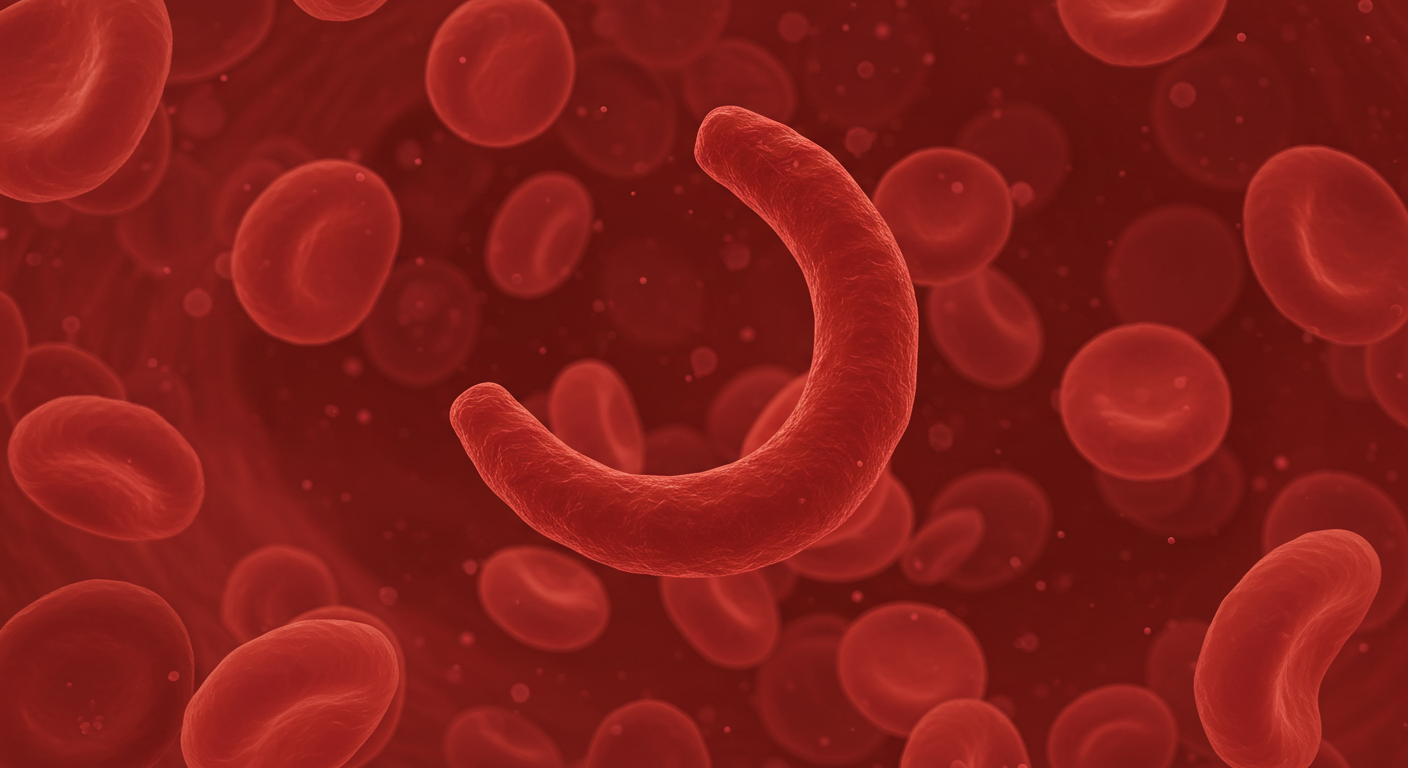
SCD is a genetic blood disorder that people are born with. The name comes from the abnormal crescent or “sickle” shape of some red blood cells. These misshapen cells cause a range of serious health issues, including:
- Blood Flow Blockages - Sickled cells can clog tiny blood vessels, leading to oxygen deprivation in tissues.
- Recurring Pain Crises - Episodes of severe, sometimes debilitating pain.
- Organ Damage - Chronic oxygen shortages can damage major organs over time.
💡 Insight: Sickle cell anemia is a specific form of SCD, but SCD is the broader term covering various related conditions.
Beyond the Pain – The Full Impact of SCD
- Not Just a Pain Crisis - SCD is a lifelong condition that affects nearly every aspect of health and daily life.
- Emotional & Psychological Toll - Anxiety, depression, and stress often accompany the physical symptoms.
- Impact on Families & Communities - SCD’s effects ripple beyond the patient, influencing caregivers, communities, and even economic stability.
Causes of Sickle Cell Disease
Sickle Cell Disease is caused by a mutation in the gene responsible for making hemoglobin, the protein in red blood cells that carries oxygen.
- This defective form is called hemoglobin S.
- When blood passes through the smallest blood vessels (capillaries), these abnormal cells can become rigid, sticky, and prone to clumping.
- These blockages prevent oxygen-rich blood from reaching tissues and organs, triggering pain and other complications.
How You Can Help Raise Awareness
📖 Educate Yourself - Learn about SCD’s medical, emotional, and social effects.
🛡 Promote Preventive Measures - Advocate for carrier screening, newborn testing, and community health programs.
📢 Spread Awareness - Share verified information on social media and in your community.
💬 Join the Conversation - Engage in dialogue, ask questions, and listen to lived experiences.

Let’s work together to raise awareness, promote understanding, and support those affected by SCD. You don’t need to be a patient to join this fight. Whether it’s your sibling, child, neighbor, friend, relative, or a stranger—your voice matters.
Frequently Asked Questions
Q1: Is sickle cell disease curable?
Currently, stem cell transplantation is the only potential cure, but it’s not widely accessible. Most patients rely on treatments to manage symptoms and prevent complications.
Q2: How is sickle cell disease inherited?
SCD is inherited when both parents pass on the hemoglobin S gene. If a person inherits only one copy, they have the sickle cell trait and typically don’t experience severe symptoms.
Q3: What are the early signs of sickle cell disease in children?
Common early symptoms include swelling in hands and feet, frequent infections, unexplained fatigue, and pain episodes.
Q4: How can communities support people with SCD?
By offering emotional support, advocating for better healthcare access, organizing blood donation drives, and fighting stigma through education.


